Sunscreen is a crucial defence against harmful UV rays, but many questions arise about its proper usage, ingredients, and efficacy. Here are some key terms and tips to help you level up your sun safety.
What does SPF mean?
SPF stands for Sun Protection Factor. It is important to note that SPF is specifically related to UVB rays (burning rays) and does not tell you anything about protection from UVA rays (ageing rays). When purchasing sunscreen, make sure the words "broad spectrum" appear on the label; this indicates that it also offers UVA protection.
What level of SPF should you use?
Dermatologists recommend using a sunscreen with an SPF of 30 or higher that also provides broad-spectrum protection against both UVA and UVB rays. In the GCC's high-UV climate, opting for SPF 50 or higher offers an additional margin of protection, especially for extended outdoor exposure.
How to apply sunscreen to your face
Applying sunscreen incorrectly defeats the purpose. If you do not use enough, you will not receive full SPF protection. There are two reliable ways to ensure you apply enough sunscreen to your face, neck, and ears. You can measure out approximately 1.25ml (around a quarter teaspoon) and apply it, or you can use the two-finger method: squeeze one line of sunscreen along your index finger and another along your middle finger, then apply it evenly over your face, neck, and ears.
It is equally important to apply sunscreen in the correct order within your skincare routine. Sunscreen should always be your last skincare step, applied just before makeup. Both physical and chemical sunscreens are formulated to be applied over moisturiser. Even if your moisturiser contains SPF, applying a dedicated broad-spectrum SPF 30 or higher on top ensures adequate UVA protection.
How to apply sunscreen to your body
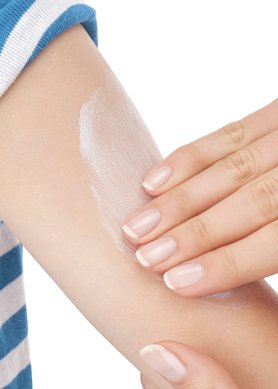
You will need considerably more sunscreen than you might think. The average adult needs approximately one shot glass worth (around 30ml) applied to the body for full protection. If you are wearing a swimsuit or exposing a significant amount of skin, apply sunscreen before getting dressed to ensure complete coverage.
How often to reapply sunscreen
Whether you are going for a walk outdoors or spending time near a pool, the reapplication rule remains the same: apply sunscreen to exposed skin every two hours. In the GCC's heat, sweating can reduce the effectiveness of your sunscreen more quickly, making timely reapplication even more important. If you need to reapply over makeup, powder sunscreens and setting sprays with SPF are practical options. If you have been sweating heavily, re-cleanse and reapply properly where possible.
How long does sunscreen last?
A sunscreen's SPF is only fully effective for two hours after application, or after 40 to 80 minutes of swimming or sweating, and you should always reapply immediately after towel drying. In terms of expiry, sunscreen formulations are complex and should not be used past their expiry date, as an expired product may be significantly less effective. Always check the date before use, especially if a bottle has been stored in a hot environment such as a car or beach bag.
Can you still tan with sunscreen on?
There is no such thing as a safe tan. The increase in skin pigment, called melanin, is a sign of damage to the skin. It may still be possible to tan even when wearing a high-SPF sunscreen, but no amount of deliberate tanning is considered safe. This is particularly worth keeping in mind in the GCC, where high UV exposure is a year-round reality rather than a summer concern.