How does pollution harm skin?
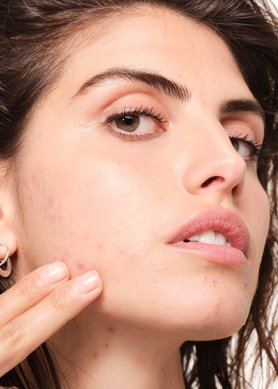
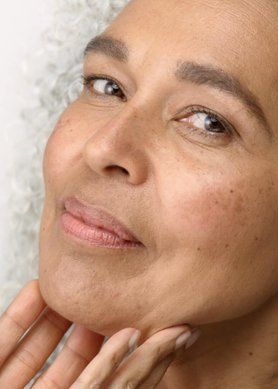
Countless studies have shown that pollution can contribute to premature skin aging.[1] Research conducted by L'Oréal in Mexico and China showed a decrease in hydration and increased sebum production among participants overexposed to pollution, while pollution has also been shown to cause staining of the skin and brown spots, as well as being linked with ozone depletion - responsible for, among other things, causing skin cancer.[2]
As if pollution on its own wasn’t bad enough, it has a “double effect” when combined with UV rays.
When associated with exposure to sunshine, pollution damage transforms into what’s known as ‘photopollution’[3][4], triggering oxidative stress within the body and speeding up the aging process.
Dermatologist Dr. Nina Roos says: “Our lifestyle can have a significant impact on how pollution affects our skin. As well as UV rays, cigarette smoke can also cause this ‘double effect’, combining with pollution to damage skin.”
As if pollution on its own wasn’t bad enough, it has a “double effect” when combined with UV rays.
When associated with exposure to sunshine, pollution damage transforms into what’s known as ‘photopollution’[3][4], triggering oxidative stress within the body and speeding up the aging process.
Dermatologist Dr. Nina Roos says: “Our lifestyle can have a significant impact on how pollution affects our skin. As well as UV rays, cigarette smoke can also cause this ‘double effect’, combining with pollution to damage skin.”